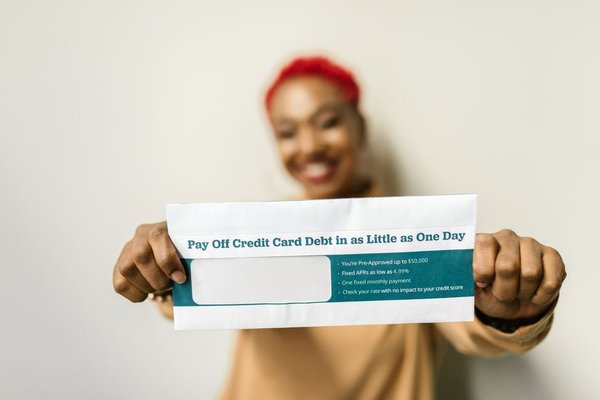

If you are considering combining several credit card balances into one payment, the biggest worry may be simple: does a debt consolidation loan hurt your credit score? The honest answer is that it can cause a small, temporary decline at first, but it may also support a stronger score over time. The result depends on how you apply, what happens to your card balances, and whether you make every payment on time.
The short answer: a brief dip is possible
Applying for and opening a debt consolidation loan can affect your credit in several ways. A lender may perform a hard inquiry, a new account appears on your reports, and the average age of your accounts may fall. These factors can create a short-term credit score impact.
Consolidation is not automatically bad for your credit. If the loan pays off high credit card balances, your revolving credit utilisation may drop substantially. Consistent payments on the new loan can then add positive payment history. Because scoring models assess your entire credit profile, those benefits may eventually offset the initial decline.
Why your credit score may fall initially
The application may trigger a hard inquiry
When you formally apply, the lender will usually review your credit through a hard inquiry. A single inquiry often has only a modest effect, although the result varies by person and scoring model. Hard inquiries can remain on a credit report for up to two years, while FICO scores generally consider inquiries from the previous 12 months.
Checking your own credit does not hurt your score. Some lenders also offer prequalification using a soft inquiry, letting you view estimated rates without an initial score impact. Confirm the type of check before applying, and avoid sending numerous full applications simply to compare offers.
A new account changes the age of your credit
Opening the loan adds a new account to your file. This can reduce the average age of your accounts and signals that you recently took on credit. The effect may be more noticeable for someone with a short or limited credit history.
Your reports may briefly show both debts
Reporting does not always happen at the same time. The new loan may appear before card issuers report their paid-down balances, temporarily making it look as though you owe both debts. The picture should become more accurate after the updated balances are reported.
How consolidation can help your credit over time
Lower card utilisation can be beneficial
Credit utilisation compares your reported revolving balances with your available revolving limits. High card utilisation can weigh on a score. When a consolidation loan pays those balances down, utilisation may fall because an instalment loan is treated differently from revolving credit. This is often the most immediate potential benefit.
The total debt has not disappeared; it has changed form. Your score may respond favourably to lower card utilisation, but the financial benefit still depends on the loan’s interest rate, fees, term, and total repayment cost.
On-time payments build a better record
Payment history is a major credit-scoring factor. Paying the new loan by the due date every month can strengthen your record over time. Automatic payments and reminders may help, but first make sure the payment remains affordable even in a difficult month.
Your debt-to-income ratio matters, but it is separate
Your debt-to-income ratio is the percentage of gross monthly income used for monthly debt payments. Lenders use it to assess affordability, but it is not generally part of a credit score because income is not normally included in consumer credit reports.
Consolidation may lower your monthly obligation and improve this ratio. However, a longer term can reduce the payment while increasing total interest. Compare the full cost instead of focusing only on the monthly figure.
When a consolidation loan can cause lasting harm
The greatest risk is not the initial inquiry. It is missing payments or building new card balances after the old ones are cleared. If you continue using the cards without a plan, you could end up with the loan plus fresh revolving debt. That increases financial pressure and can damage your score.
Closing every paid-off card can also reduce your available revolving credit, potentially raising utilisation if any balances remain. Keeping an older no-fee account open may help preserve available credit, provided it does not encourage overspending. Consider fees, spending habits, and security before deciding.
How long does the credit score impact last?
There is no universal timeline or guaranteed number of points. People have different credit histories, lenders report on different dates, and multiple scoring models exist. The inquiry and new account may have their strongest effect near the beginning, while lower card balances can help after issuers update their reporting.
Over the following months, on-time loan payments and controlled card balances may improve the result. Check your reports after the payoff. If a card continues to show an incorrect balance after a normal reporting cycle, contact the issuer and dispute genuine errors with the relevant credit bureau.
How to minimise the impact before you apply
Start by reviewing your credit reports and correcting errors. Use soft-inquiry prequalification when available, compare annual percentage rates and origination fees, and apply only after choosing a realistic option. Calculate the total repayment amount, not just the advertised rate.
After approval, confirm that each old balance is paid and keep making required payments until the payoff is complete. Then use a budget that prevents the cards from filling up again. Consolidation works best as part of a debt-payoff plan, not as permission to borrow more.
Frequently asked questions
How many points will a debt consolidation loan lower my score?
There is no fixed number. The change depends on your credit history, recent applications, account age, card utilisation, and the scoring model. Some borrowers see a small dip; others may see little change or an improvement after card balances update.
Will paying off credit cards with a loan improve my score?
It can, particularly if it substantially lowers revolving utilisation. Improvement is not guaranteed, and it may take until issuers report the new balances. On-time payments and avoiding new card debt remain essential.
Is a balance transfer better for credit than a consolidation loan?
Both options may involve a hard inquiry and a new account. A balance-transfer card keeps the debt revolving, while a personal loan provides fixed instalments. Compare fees, rates, payoff time, and the payment you can reliably afford.
Can I get a consolidation loan without a hard credit check?
You may be able to prequalify through a soft inquiry, but a legitimate lender will commonly conduct a hard inquiry before final approval. Be cautious of offers promising guaranteed approval or demanding upfront payment without clear terms.
The bottom line
A debt consolidation loan may hurt your credit score briefly, but it does not have to cause lasting damage. The best outcomes usually come from using one carefully chosen loan to reduce high card balances, paying it on time, and avoiding new debt. Judge the option by its full cost and whether it creates a repayment plan you can sustain—not by a temporary score fluctuation alone.